
Here is a number that deserves more attention than it gets. According to the Bone Health and Osteoporosis Foundation, about one in two women over 50 will break a bone because of osteoporosis.
One in two. A coin flip. And yet the standard advice handed to women at this stage, walk more, take calcium, be careful, ignores the most powerful non-prescription tool on the table.
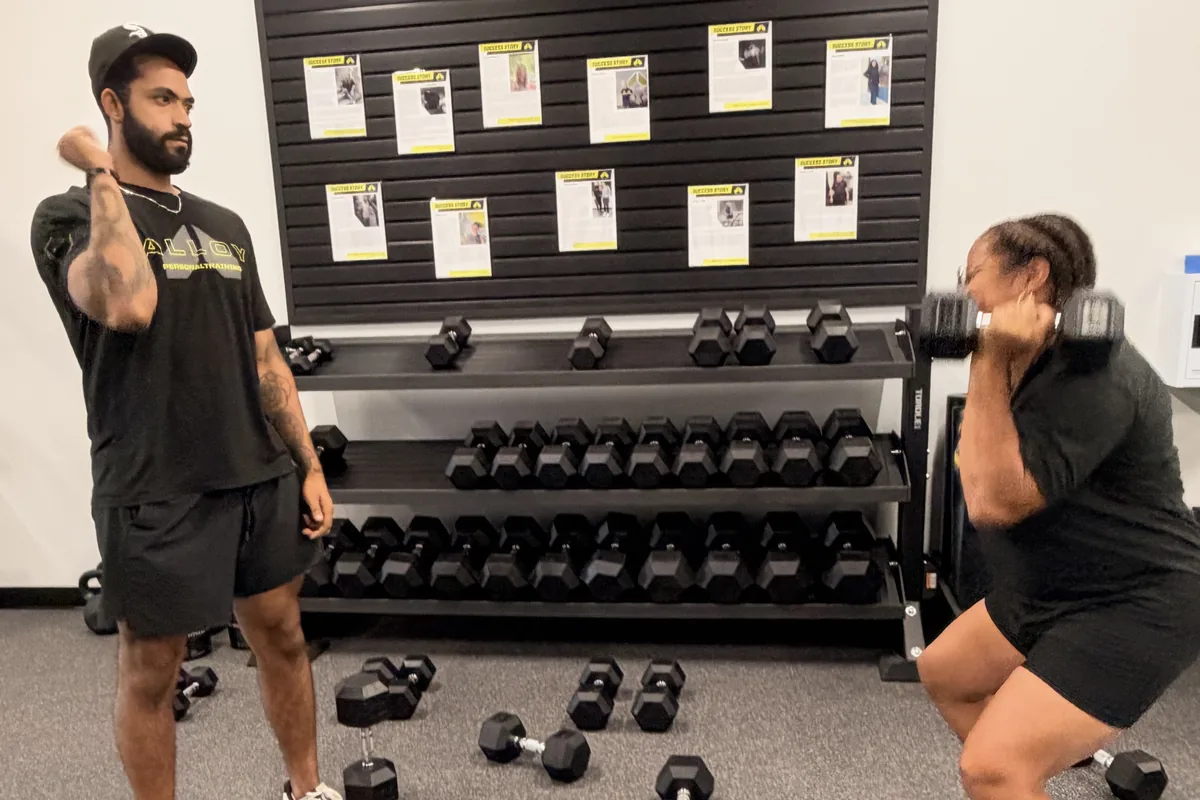
Does strength training really improve bone density?
Yes. Bone is living tissue, and it responds to demand. When muscles pull hard against bone under load, the skeleton gets the message to reinforce itself. Research on postmenopausal women keeps finding that progressive resistance training maintains bone mineral density, and in several studies improves it. Those gains land at exactly the ages when bone is otherwise lost year after year.
Estrogen decline after menopause speeds up bone loss. That is why this lands harder on women than on men, and why the years right after 50 matter so much. To be clear, none of this replaces your doctor. If you have an osteoporosis diagnosis or a DEXA scan on file, that is information your training program should be built around, and we mean that literally.
Isn't walking enough to protect my bones?
Unfortunately, no, and this one surprises people. Bones adapt to loads they are not used to. Walking is the load your skeleton has carried since you were a toddler, so it maintains the status quo at best. Studies comparing walkers to lifters keep finding the same thing: the meaningful bone response comes from resistance and impact, not steps.
Keep walking. The loop at Logan Farm Park and the paths around Lake Acworth in November are two of the best arguments for living here. Just know that your walk is protecting your heart and your mood more than your hips and spine, and that the bone work happens somewhere else.
Will lifting weights make me bulky?
No, and this myth has cost women decades of strong bones. Building visible muscle mass takes years of dedicated, heavy, high-volume work supported by aggressive eating. It does not happen by accident to anyone, and it certainly does not happen from two or three strength sessions a week.
What those sessions actually produce: firmer muscle, better posture, easier stairs, groceries carried in one trip, and a skeleton under active reinforcement. The women who lift in their 50s do not get bulky. They get capable.
What kind of strength training is best for bone health after 50?
Progressive, supervised, and built around the big movements: squats, hinges, presses, rows, carries. The load needs to be meaningful, which is exactly why supervision matters so much here. Too light does little for bone. Too much too soon is its own problem. The productive zone in between is what a coach is for.
At Alloy Personal Training Acworth, that means sessions in groups capped at six, where each woman runs her own program at her own level with a coach on every rep, following the approach on our strength training for adults over 40 and over 60 pages. We also track body composition with monthly InBody scans, so muscle gains show up in data and not just in how your jeans fit.
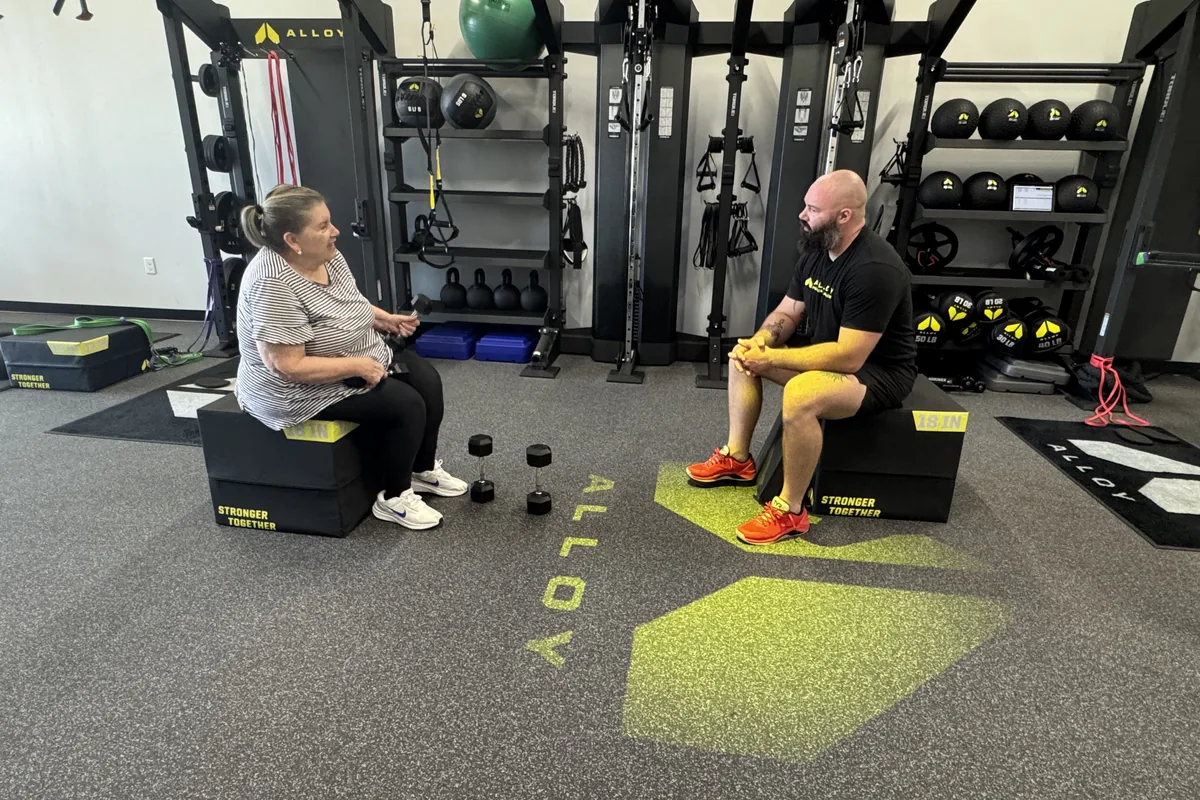
How do you start safely?
With an assessment, your medical history on the table, and loads that are earned rather than assumed. Your first visit kicks off your Free 14-Day Experience: a goals and history conversation, an InBody scan, a movement assessment, and an introductory coached workout, with any diagnosis or DEXA results built into the plan from day one. Your first 14 days are free. Book Your Free 14-Day Experience, and if you have scan results, bring them.